Water Damage Restoration and Your Home's Foundation: What You Need to Know
Published: 2026-04-16 · By DryEdge Water Damage Restoration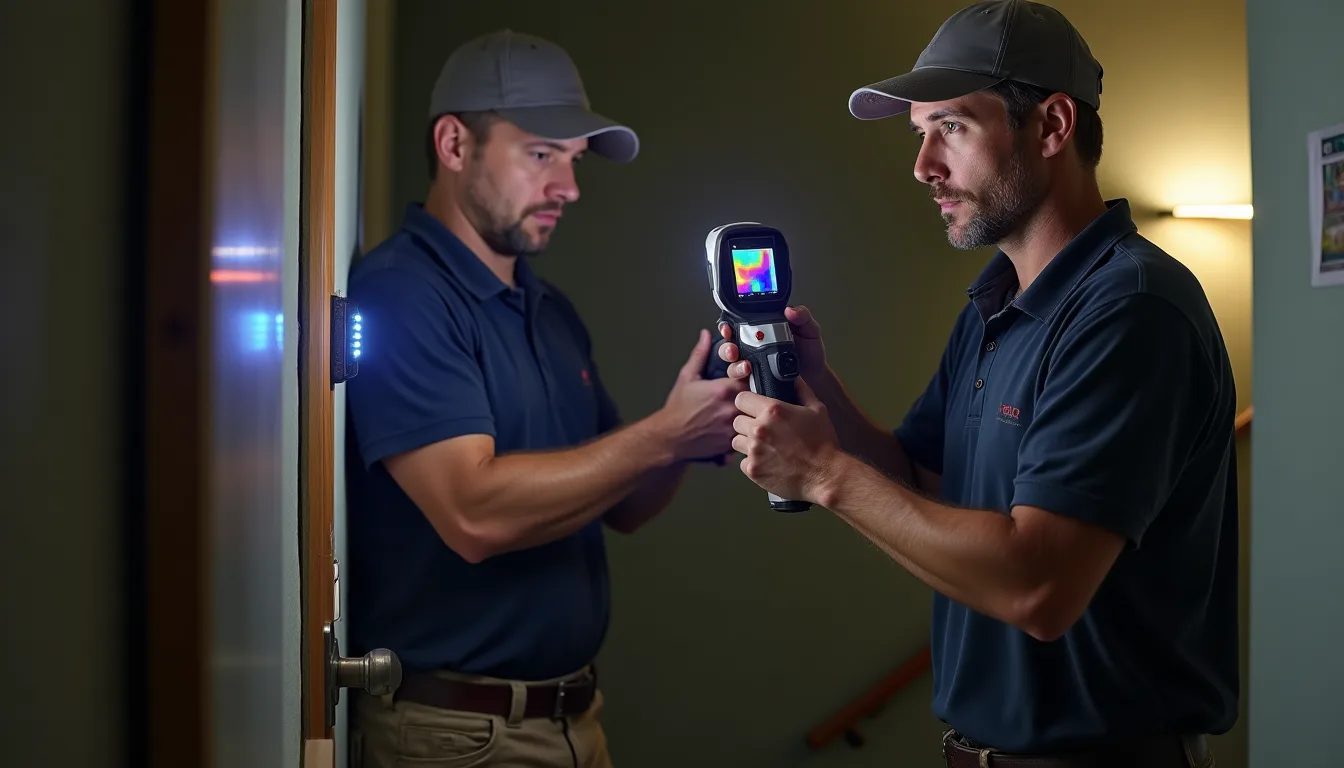
As summer storms roll through Atlanta, bringing heavy rain, lightning, and even the occasional hail, homeowners often turn a blind eye to the lurking danger that water damage poses to their homes. But what happens when that sudden deluge seeps into your basement or creates a puddle in your living room? The aftermath can be devastating, especially when considering how the red clay soils beneath your home shift during our humid months. A solid understanding of water damage restoration and its connection to your home's foundation isn't just helpful – it's essential for protecting your family's most valuable asset.
Why This Matters for Atlanta Homeowners
Water damage in Atlanta can escalate quickly, often leading to issues that threaten the structural integrity of your home. With the hot, humid summers and sporadic freezing conditions, the risk of water infiltration increases exponentially. Homes built on Georgia’s red clay soils are particularly susceptible, as shifting foundations can exacerbate water seeping into cracks and leaks, creating a perfect storm for damage. Furthermore, with heavy spring storms frequently impacting the area, it is crucial to be proactive in identifying potential risks before they become catastrophic.
Atlanta homeowners must consider that the effects of water damage may not be immediately visible. Mold, mildew, and structural weakening may occur long after the original water event. Basement floods can take longer than expected to dry out, and if not addressed quickly, they can lead to thousands of dollars in repair costs. Ignoring these early signs often leads to health risks and financial strain.
Expert Solutions & Actionable Tips
1. Inspect Your Foundation Regularly
In an area like Atlanta where red clay soils can shift, keeping an eye on your home's foundation is essential. Look for cracks, especially after heavy rains or storms. A simple visual inspection can identify potential trouble signs before they escalate. If you notice significant cracks—larger than a quarter inch—it may cost around $2,000 to $5,000 to repair depending on the severity.
2. Understand Your Drainage Needs
Atlanta's summer storms can bring torrential rain, making proper drainage a must. Consider installing a French drain or a sump pump if you’ve had flooding issues before. The installation costs can range from $1,500 to $3,000, but it’s an investment worth making to protect your home.
3. Monitor Humidity Levels
Given Atlanta's hot and humid climate, indoors can easily become a breeding ground for mold. Invest in a dehumidifier to keep indoor humidity levels around 30-50%. These units vary in price and can cost anywhere from $200 to $600. Keeping humidity in check will significantly reduce the chances of mold infestations.
4. Don't Delay Repairs
Once you notice water damage, delaying repairs can lead to compounding issues. In Atlanta, water restoration services typically estimate a timeframe of 3-5 days for drying and restoration, but this can vary based on severity. Repairs should not stop at visible damage; damaged frameworks can cost upwards of $10,000 if not promptly handled.
5. Be Proactive with Insurance
Atlanta homeowners should review their homeowner's insurance policies to ensure they cover water damage from storms. Regularly update your policy to reflect your current home value and condition. Costs for premiums can differ significantly, so shop around for the best coverage options.
6. Professional Inspections After Storms
After severe weather events, it’s advisable to get a professional inspection. DryEdge Water Damage Restoration in Atlanta can provide expert evaluations, often within 24 hours after you call. This proactive approach helps in mitigating damages and can save you from future headaches. Inspection costs can be minimal compared to potential repairs if you catch issues early.
Atlanta Climate & Local Context
Atlanta's weather is a compelling factor in the conversation around water damage restoration. The city’s humid subtropical climate brings sweltering summers, while the occasional freezing temperatures in winter can lead to pipe bursts. The unique challenges posed by the region's red clay soils mean that homeowners must stay on top of drainage and foundation maintenance to avoid costly surprises.
Local building codes require proper drainage on properties, particularly those prone to flooding. Understanding these codes not only ensures compliance but also boosts your home's resilience against water intrusion, safeguarding your investment. Each area in Atlanta may have different regulations, so it’s wise to consult with local experts like DryEdge Water Damage Restoration to stay updated.
When to Call a Professional
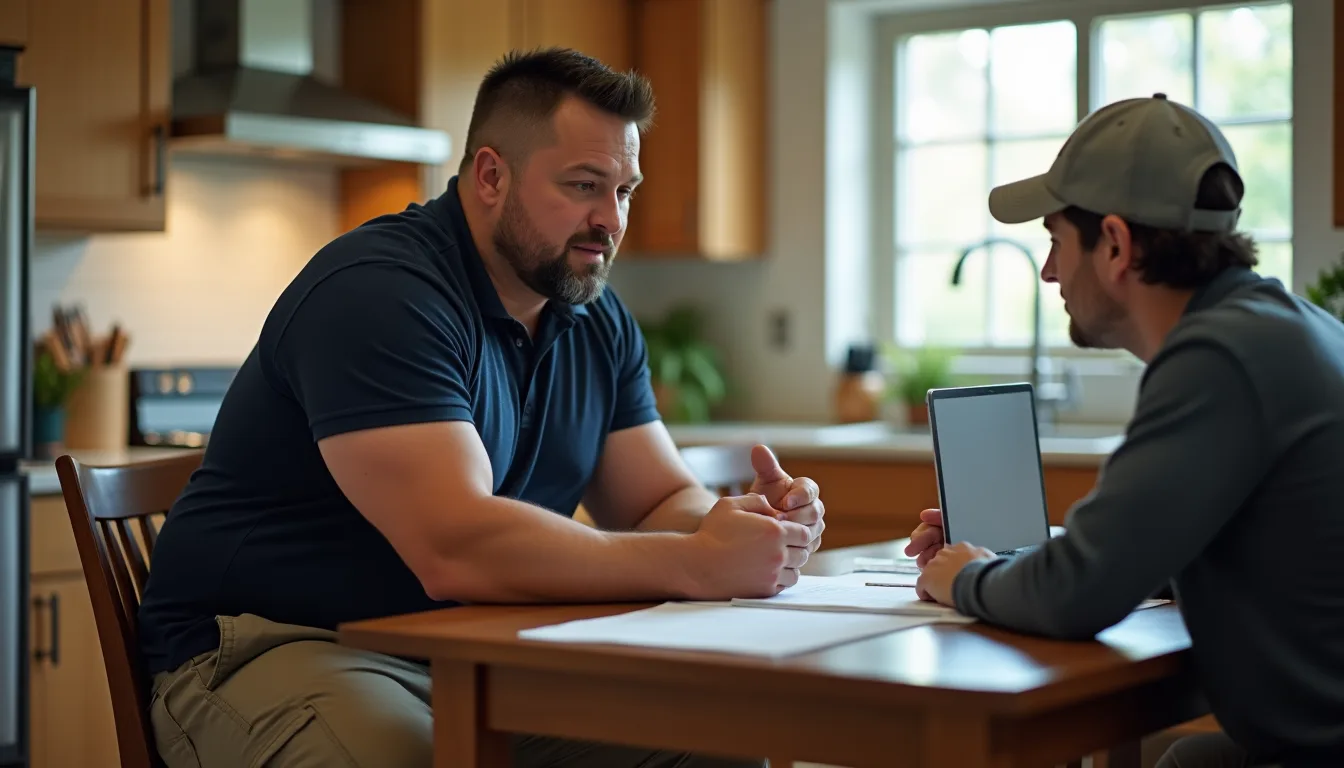
While some water damage situations may seem manageable for the average homeowner, knowing when to call in a professional is crucial to preventing further harm. Many homeowners underestimate the extent of water damage, which can lead to significant issues down the road if not addressed immediately.
- Persistent water stains on walls or ceilings
- Visible mold growth or mildew
- Soft, sagging walls or ceilings
- Foul odors coming from your basement
- Frequent plumbing leaks or backups
- Flooding after heavy rain
- Cracks in the foundation expanding over time
- Issues with the HVAC system that may indicate water infiltration
If you observe any of these symptoms, don’t hesitate to contact a professional to assess the situation. The peace of mind that follows can be invaluable.
Frequently Asked Questions
What should I do first after water damage?
If you experience water damage, your first step should be to ensure your safety and turn off any electricity if water has reached electrical outlets. Following that, call DryEdge Water Damage Restoration for a professional evaluation.
How long does water restoration take in Atlanta?
The duration of water restoration typically varies based on the extent of damage, but it generally takes between 3 to 5 days for thorough drying and repairs, depending on the situation at your home.
Will my homeowner's insurance cover water damage?
Water damage coverage can vary by provider and policy, so it's essential for Atlanta homeowners to review and understand their insurance plans to ensure protection against storm-related damages.
What causes mold to grow in my home?
Mold typically develops in damp environments, so any water intrusion—be it from a leaky pipe, a flood, or high humidity—can provide the ideal conditions for mold growth, especially in Atlanta.
Are there preventative measures I can take?
Absolutely! Regularly inspecting gutters, maintaining proper drainage, and monitoring indoor humidity levels are proactive steps that can prevent significant water damage in your home.
Get Expert Water Damage Restoration Service in Atlanta
Water damage can escalate quickly, turning your safe haven into a health hazard. Don’t wait until it's too late—take action now! For a comprehensive assessment and restoration service, contact (678) 606-2717. Trust DryEdge Water Damage Restoration to help safeguard your Atlanta home against water damage.
Let us assist you in protecting your investment and ensuring your peace of mind amidst the unpredictable weather conditions in Atlanta.