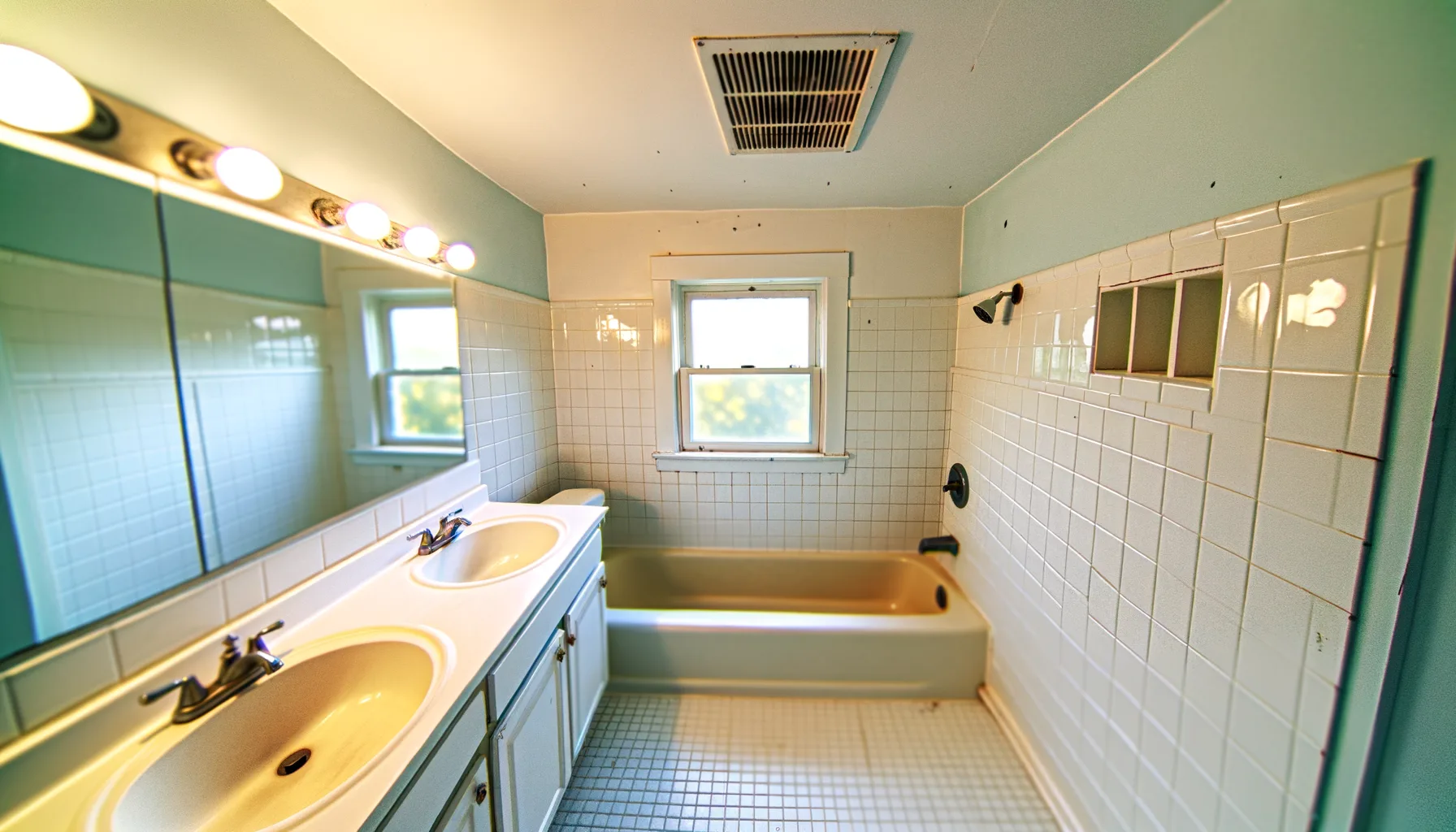
The Hidden Dangers of Ignoring Water Damage Restoration Issues in Your Home
Published: 2026-04-16 · By DryEdge Water Damage Restoration
Imagine waking up one sunny morning in Atlanta, only to find the carpet in your basement soggy and your walls stained. Water damage, often silent and insidious, can result from summer storms or leaks that go unnoticed. Ignoring the signs may seem tempting, but doing so can lead to severe structural issues, mold growth, and costly repairs down the road. For Atlanta residents, the humidity coupled with occasional freezing conditions can offer the perfect storm for water-related challenges.
Why This Matters for Atlanta Homeowners
In Atlanta, the challenges of water damage restoration can hit hard and fast. The city's hot and humid summers create an environment where water can linger, particularly in buildings with poor drainage or foundation issues due to Georgia's red clay. When the soil shifts, it can lead to cracks in your home’s foundation, allowing water to seep in. This issue only compounds with spring storms that bring heavy rains and hail, resulting in widespread water infiltration. The aftermath of damage can lead to a perfect breeding ground for mold, posing serious health risks to your family.
Moreover, local homeowners often underestimate the long-term consequences of ignoring such repairs. The cost of restoration can escalate rapidly, and the damage may worsen over time, especially in a climate like Atlanta's where seasonal changes add stress to your home's structure. If you suspect a water issue, acting quickly can save you significant money and headaches down the line.
Tip: Regular foundation monitoring in areas with red clay soil is essential for early detection of water damage.
Expert Solutions & Actionable Tips
1. Inspect Common Problem Areas Regularly
Start with the areas most likely to experience water damage, such as basements and crawl spaces. Every six months, check for visible leaks, moisture, or mold. A typical inspection will cost around $150 to $300, depending on the size of your home and the conditions.
In Atlanta, the combination of humidity and rain means mold can begin to form within 24 to 48 hours of water infiltration. Proactive inspections are key to averting more serious issues down the road.
2. Ensure Proper Drainage Around Your Home
Atlanta's distinct red clay soil can shift, making proper drainage critical. To prevent water buildup, invest in gutters and downspouts, directing water at least six feet away from your foundation. This simple measure might cost around $1,000 to $2,500, depending on the layout.
During heavy rains, improper drainage can lead to standing water, creating a perfect scenario for foundation and basement leaks. Addressing drainage issues early helps to save money in the long run.
3. Understand Your Homeowner’s Insurance Policy
Familiarize yourself with what your homeowner’s insurance covers regarding water damage. In Atlanta, water-related issues stemming from storms may or may not be covered, depending on your policy's specifics.
For example, if a storm causes a sudden leak, it’s generally covered. However, neglecting maintenance issues may leave you responsible for repairs entirely. Consulting your insurance agent could save you from unexpected costs later.
4. Utilize Professional Water Damage Restoration Services
If you experience water damage, it’s crucial to engage professionals quickly. In Atlanta, companies like DryEdge Water Damage Restoration can often respond within hours, starting the recovery process and minimizing losses. Restoration can typically range from $1,500 to $6,000, depending on the extent of the damage.
Leaving restoration to the experts ensures thorough remediation and helps prevent future issues, including mold growth and structural instability.
5. Monitor Indoor Humidity Levels
Keeping your home's humidity below 50% can deter mold growth. Investing in a good dehumidifier, which can cost anywhere from $200 to $600, will significantly improve air quality, especially during humid months.
Incorporating this into your home care routine in Atlanta can help maintain comfort and protect your investment against water damage.
6. Build a Response Plan for Storms
Preparedness can be your best ally against water damage during stormy seasons. Create a response plan that includes emergency contacts, essential supplies, and a routine check for any leaks before storms hit. Developing a storm preparedness strategy can make all the difference and yields peace of mind.
This proactive approach can prevent extensive damage and ensure your home is resilient against Atlanta's unpredictable weather patterns.
Atlanta Climate & Local Context
Atlanta's climate poses unique challenges for homeowners regarding water damage. With hot, humid summers and the potential for freezing temperatures in winter, the environment can lead to various water-related problems. Additionally, Georgia's red clay soil means that foundation monitoring is crucial, as shifts in the soil can lead to water intrusion during heavy rains.
Local building codes often necessitate proper drainage systems, and failure to meet these standards can lead to financial penalties or increased risk of damage. Homeowners should ensure compliance with local regulations when undertaking restoration work or improvements to repel water effectively.
When to Call a Professional
Knowing when to tackle a water damage issue yourself versus when to hire a pro is essential. DIY projects may be tempting for minor issues, but several scenarios warrant professional help. Here are some red flags:
- Large-scale water damage or flooding
- Visible mold growth exceeding 10 square feet
- Water pooling in the basement after heavy rains
- Foundation cracks that are widening
- Water damage from sewage or contaminated sources
If you encounter any of these situations, it's important to consult with a restoration professional like DryEdge Water Damage Restoration. Their experts can assess the damage accurately and provide comprehensive restoration services.
Frequently Asked Questions
What are the most common causes of water damage in Atlanta homes?
In Atlanta, water damage typically results from heavy rain, poor drainage, and foundation issues due to shifting soil. Burst pipes and leaks from appliances are also frequent culprits during hot summers.
How quickly should I address water damage issues?
It's crucial to address water damage as soon as you notice it. Delays can result in extensive damage and mold growth, which can occur within 24 to 48 hours in humid conditions.
Can I file an insurance claim for water damage restoration?
Many homeowner insurance policies cover sudden water damage from storms. However, damage from lack of maintenance might not be covered, so it's best to check with your insurance agent.
Is mold a concern after water damage?
Yes, particularly in the humid environment of Atlanta. Mold can start to develop within 24-48 hours after water exposure, making swift action essential.
What should I do if I discover water damage in my home?
Contact professionals immediately for assessment and restoration. DryEdge Water Damage Restoration can provide an inspection and determine the best course of action to mitigate damage and protect your home.
Get Expert Water Damage Restoration Service in Atlanta
Water damage is not something to ignore for Atlanta homeowners. When faced with any signs of water intrusion, it's imperative to act quickly. DryEdge Water Damage Restoration is here to help restore your home and give you peace of mind. Don't hesitate to reach out at (678) 606-2717 to discuss your concerns and schedule a consultation.
Your home deserves prompt and thorough restoration, ensuring it remains safe and sound for years to come. Call DryEdge Water Damage Restoration today!